

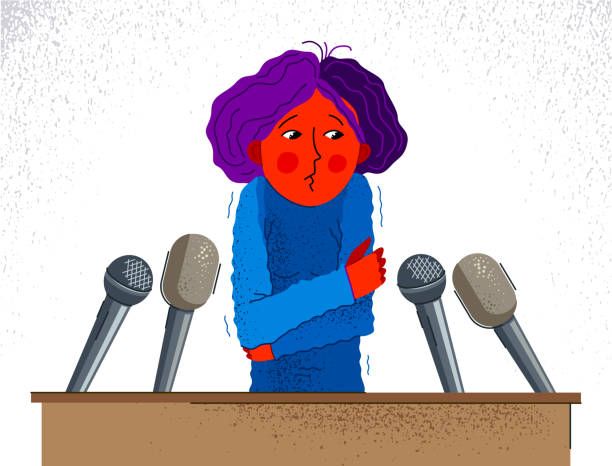
Storytelling may look like an effortless task when done by confident speakers, but for many beginners, the idea of narrating a story aloud can feel intimidating and be just as hard. Being nervous is a natural reaction especially when you’re unsure of your voice, gestures or pacing.
However, storytelling is a skill that grows steadily with the right approach; and this blog can be your guide by starting small, practicing and building confidence step by step, so that anyone can become a strong storyteller.
Starting Small
One of the biggest mistakes beginners make is attempting to tell long complicated stories too early on. Short, simple tales are the safest starting points if you’re just learning the hang of it. For example, fables, personal anecdotes, children’s stories. The purpose is to practice structure without feeling overwhelmed.
Small stories allow beginners to focus on essentials—beginning, middle and end—while building familiarity with speaking aloud. Once these short narratives feel comfortable, longer stories become much easier to handle. Confidence grows not from jumping into difficult tasks, but from mastering manageable ones first.
Practicing Facial Cues
Facial expressions communicate emotions faster than words, making them crucial in storytelling. For nervous speakers who struggle with voice projection or hand gestures, facial cues offer a gentle way to bring life to a story without pressure.
A simple practice routine can help:
- Read a passage in front of a mirror
- Try to match emotions to expressions such as surprise, fear, curiosity, happiness, etc
- Soften or exaggerate expressions to see what feels natural
Over time, these expressions become automatic. They help listeners stay engaged and also give the storyteller an anchor—something familiar to rely on when nerves rise.
Calm Breathing
Many beginners underestimate how strongly nerves affect breathing. Rapid breaths lead to rushed delivery. Calm breathing steadies the mind, improves clarity and keeps pacing under control.
A quick method before storytelling is to inhale for four counts, hold briefly, and exhale for four. This resets the body and helps the storyteller begin with a clear, confident tone. During the story, pausing for breath also creates natural breaks, giving listeners time to absorb the narrative.
Pacing the Narration
Pacing is one of the most powerful storytelling tools. Nervous beginners often speak too fast, trying to “get it over with.” Slowing down transforms the experience. It helps the storyteller stay in control and gives the audience time to connect with the story’s emotions and events.
Good pacing doesn’t mean it needs to be slow, just that it should seem intentional. Emphasizing important moments, pausing after dramatic lines and lightly speeding up during exciting scenes all contribute to a more engaging performance. Practicing with a timer or recording can help storytellers hear where adjustments are needed.
Building Confidence Slowly
Confidence needs to be built by practice and familiarity, it grows through steady practice. Beginners can build confidence by telling stories to supportive listeners, such as family or friends, before trying larger groups. Celebrating small improvements makes the journey easier and more encouraging.
It also helps to focus on progress rather than perfection. Every storyteller, even experienced ones, had nervous beginnings. Confidence increases with each story told, each gesture practiced and each fear faced at a manageable pace.